Fashion Modeling: Crafting Unique Brand Identities
In the crowded digital landscape, your visual voice needs to be distinct. We often talk about modern typography and the importance of a strong brand identity, but the specific typeface you choose acts as the tone of that voice. If you are looking for something that bridges the gap between raw creativity and polished professionalism, Fashion Modeling is a premium font worth your attention. It is not just another script font; it is a carefully crafted handwritten typeface designed to inject life into your projects. When you first glance at this typeface, you notice an immediate elegance. It mimics the fluidity of natural handwriting but maintains a structure that ensures legibility, making it a versatile asset for designers, entrepreneurs, and content creators alike.
The Visual Appeal and Personality of Fashion Modeling
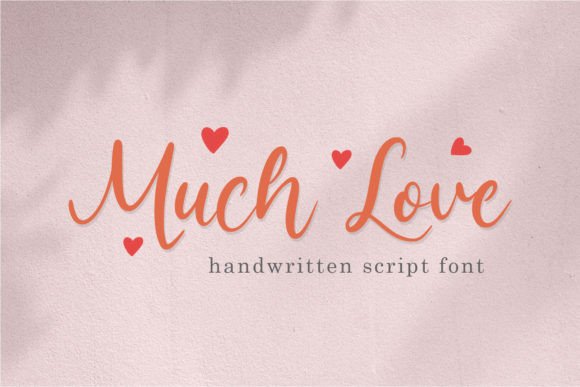
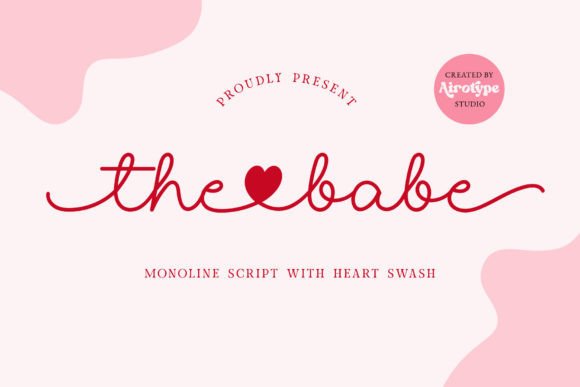
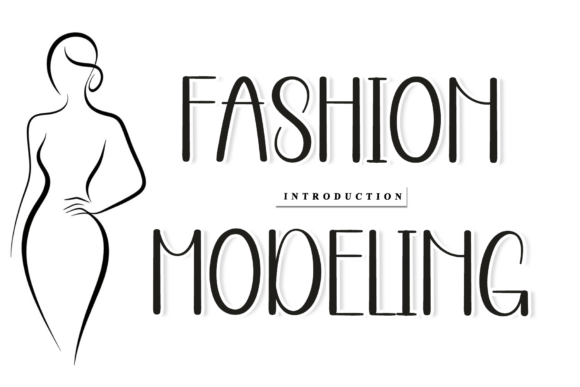
Every designer knows that a font carries a personality. Fashion Modeling is best described as a "lovely and timeless handwritten font." It avoids the chaotic look of some grunge or scratchy styles, offering instead a smooth, flowing aesthetic. The visual characteristics are defined by soft curves and a rhythmic baseline that feels organic. Unlike a standard serif font or a rigid sans serif font, this script font introduces warmth and a human touch to your layouts.
The "fashion" aspect of the name is apt. There is a chic, boutique quality to the letterforms. It feels luxurious without being pretentious. This makes it an excellent choice for creating eye-catching logos where you want to convey authenticity. If you are working on a brand identity for a lifestyle blog, a clothing line, or a jewelry store, this typeface communicates sophistication. The strokes vary in weight, simulating the pressure of a real pen, which adds depth to the text. This visual hierarchy helps guide the viewer's eye naturally across the page, making your design come alive in a way that static, blocky fonts often cannot achieve.
Where This Display Font Shines: Applications and Use Cases
Understanding where to use a specific creative font is just as important as the font itself. Fashion Modeling functions primarily as a display font. This means it is designed to be used at larger sizes for headlines, logos, and featured text rather than long-form body copy. Here is how you can leverage this asset across various mediums:
- Logo Design and Branding: This is the sweet spot for Fashion Modeling. If you are a small business owner or a crafter looking to create a recognizable brand mark, this font provides the perfect balance of style and clarity. It works beautifully for watermarks on photography or as the primary wordmark for a personal brand.
- Packaging Design: In the world of physical products, shelf appeal is everything. Imagine this font on a coffee bag, a candle label, or a cosmetic box. The handwritten style suggests a handcrafted, artisanal quality, which can significantly influence brand perception and customer trust.
- Social Media Graphics: Content creators and marketers constantly need to stop the scroll. Using Fashion Modeling for Instagram quotes, Pinterest pins, or Facebook headers can increase engagement. The unique touch of the letters breaks the monotony of standard web fonts, making your posts stand out in a busy feed.
- Editorial and Web Design: While you wouldn't use it for an entire blog post, it is excellent for pull quotes, chapter titles in digital magazines, or hero section headlines on a website. It pairs exceptionally well with a clean sans serif font for the body text, creating a balanced modern typography hierarchy.
Strategic Impact on Brand Perception
Typography is psychology. The fonts you choose signal specific things to your audience before they even read the words. By incorporating Fashion Modeling into your design assets, you are signaling creativity, approachability, and attention to detail. In a market saturated with generic sans serif options, a distinct handwritten font can be the differentiator that makes a brand memorable.
For entrepreneurs and brand strategists, consistency is key. Once you select a typeface, it becomes a cornerstone of your visual identity. Because Fashion Modeling has such a strong personality, it helps build recognition. When customers see that specific flowing script, they will immediately associate it with your brand. This level of recognition is usually reserved for established companies, but a unique font allows smaller players to compete visually at a higher level.
Practical Guidance for Designers and Creators
Adopting a new font requires a bit of strategy. As an experienced designer, I recommend a few practical steps when evaluating Fashion Modeling for your next project.
First, consider font pairing. Because Fashion Modeling is expressive, it needs a grounding partner. Avoid pairing it with other decorative fonts or complex serif fonts, as this will create visual clutter. Instead, look for a geometric sans serif font like Montserrat, Lato, or Open Sans. These neutral backgrounds allow the personality of the handwritten font to pop without overwhelming the reader.
Second, test for readability. While the font is legible, script fonts naturally require more care than standard typefaces. Ensure your letter-spacing (tracking) is appropriate. If the letters are too tight, they may merge; if too loose, the flow of the handwriting is lost. Always view your mockups at the size they will be displayed. A logo on a business card needs to be just as clear as a headline on a 27-inch monitor.
Third, check the commercial licensing. If you are using this for a client project, merchandise for sale, or a large-scale marketing campaign, ensure you have the correct license. Most premium fonts offer different tiers for personal vs. commercial use. Respecting these terms protects your business and supports the type designers who create these tools.
Bringing Your Vision to Life
Ultimately, the tools you use dictate the quality of your output. Fashion Modeling is more than just a set of characters; it is a creative font designed to help you communicate with elegance and flair. Whether you are a hobbyist creating wedding invitations or a marketer designing a high-conversion landing page, the right typography makes all the difference.
Take the time to explore the full character set. Many high-quality handwritten fonts include stylistic alternates or ligatures that can add even more custom flair to your work. Experiment with how the letters connect. Look at how the "t" crosses or how the "y" descends. These small details are what elevate a design from "good enough" to "professional."
In the end, design is about connection. You want your audience to feel something when they look at your work. Fashion Modeling offers a timeless appeal that resonates with a human desire for authenticity in a digital world. It is a valuable addition to any designer's toolkit, promising to make your next project not just seen, but felt.